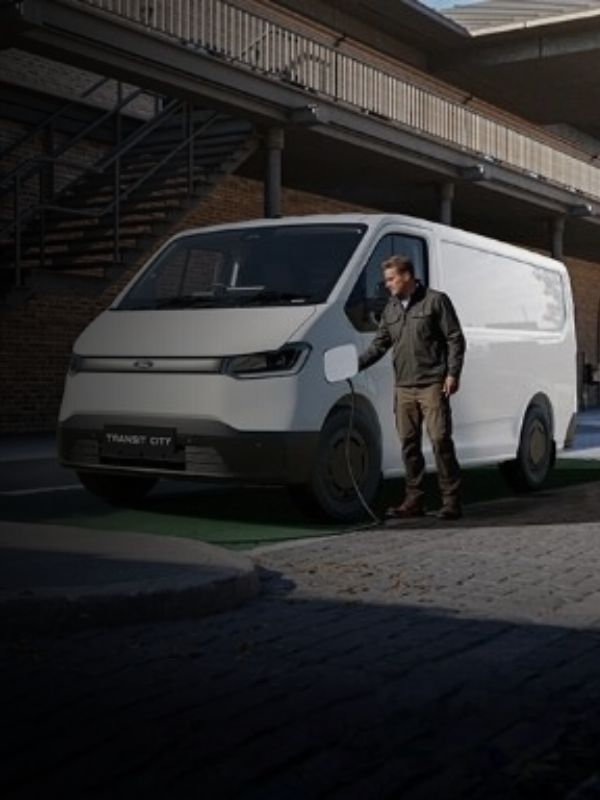
Charging
33 minutes1 and you're off
A 56kWh battery that charges 10% to 80% in about 33 minutes1 on a 87kW DC charger, or 10% to 100% in about 8 hours2 at home on a 7.4kW AC charger. Full and ready by morning.



Team Hutchinson Ford


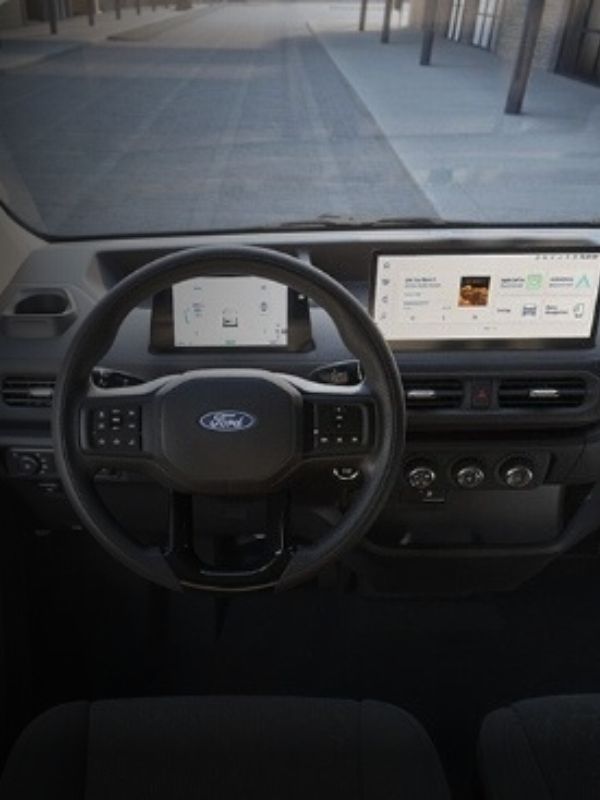
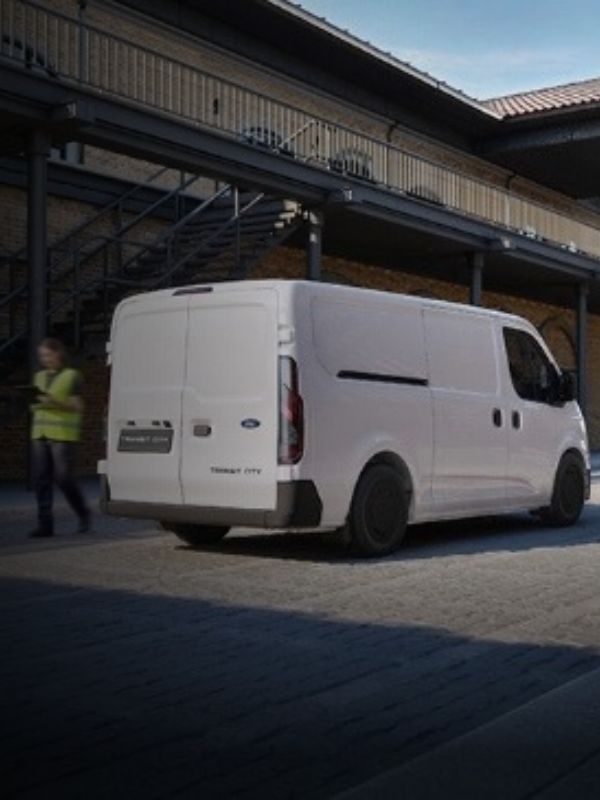
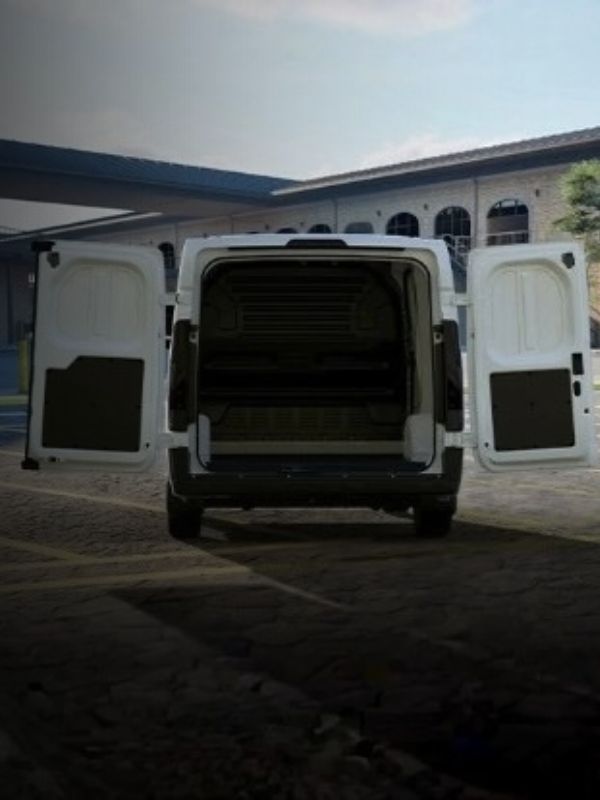
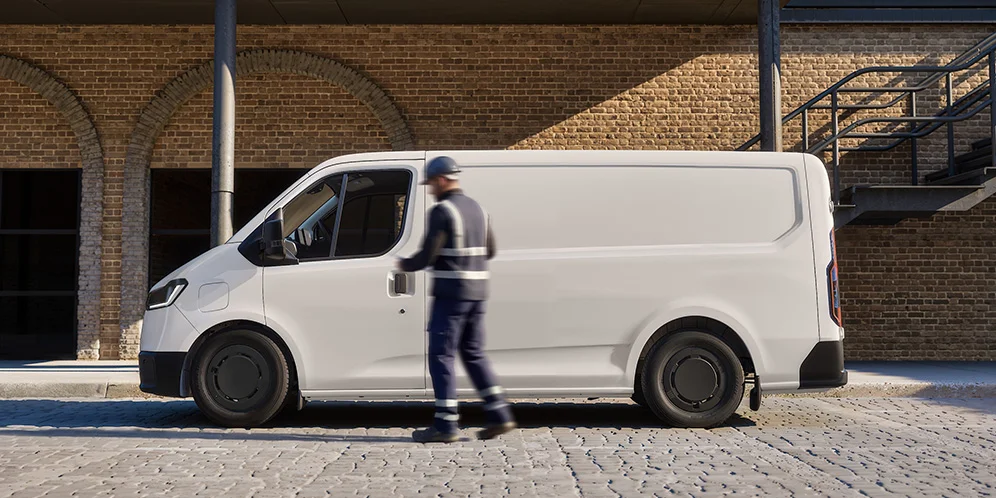
The Ford Transit City has a driving range of up to 254km5 (WLTP Combined) on a full charge. Real-world range varies with load, weather and stop-start driving.
The Ford Transit City charges from 10% to 80% in about 33 minutes on a 87kW DC charger1. On a 7.4kW AC charger at a factory or home, a full charge from 10% to 100% takes about 8 hours overnight - ready each morning2.
The Ford Transit City can be cheaper to run than a diesel van, with less fuel costs to maintain. Actual running costs depend on your electricity rate and charging setup.
The Ford Transit City carries up to 1,085kg10 of payload and has a maximum load volume of 6.4m3 11 (SAE). The battery sits under the floor, so choosing electric doesn't reduce load space.
Yes. Approved Ford Pro Convertors can fit the Ford Transit City with shelving, racking, refrigeration or a full custom build. Find one near you on the Ford Pro convertor page.

Ingot Silver Metallic


Blue Panther


Frozen White


Panther Black


Broom Yellow

Disclaimer:
Indicative charging performance using a DC fast charger at 87kW. Charge power can decrease with increasing state of charge. Actual charge times and charge speeds can vary based on different factors (e.g. weather, temperature, driving behaviour, route profile, vehicle condition, age and condition of the lithium-ion-battery and used charging infrastructure). Vehicle does not include a charging cable; sold separately.
Indicative charging time quoted is using single-phase AC charger at 7.4kW. Charge power can decrease with increasing state of charge. Actual charge times and charge speeds can vary based on different factors (e.g. weather, temperature, driving behaviour, route profile, vehicle condition, age and condition of the lithium-ion-battery and used charging infrastructure). Vehicle does not include a charging cable; sold separately.
Apple CarPlayTM / Android AutoTM requires phone with compatible version of Apple iOSTM / AndroidTM (as applicable), active data service, and connection cable (sold separately). Apple / Google and other third parties are responsible for their respective functionality. Message and data rates may apply. Apple CarPlay, Siri Eyes Free, iPod and iPhone are trademarks of Apple Inc. registered in the US and other countries. Android Auto and Google Maps are trademarks of Google Inc. Warning: Local laws prohibit some phone functions while driving. Check your local road rules before using these functions.
VDA is the method determined by filling the load space with ‘litre’ blocks, each measuring 200x100x50mm. The blocks are then counted and the numerical result is converted into cubic meters.
Based on a full charge. Estimated range using Worldwide Harmonised Light Vehicle Test Procedure (WLTP). Figures shown are for comparability purposes and should only be compared with other vehicles tested to the same technical procedures. Actual range varies with conditions such as external elements like temperature, driving behaviours, route profile, vehicle maintenance, and LFP battery age and condition. WLTP Overall Range reflects a combined driving cycle. This test is conducted in controlled conditions with an ambient temperature of 23 degrees Celsius and no climate or electrical load.
Based on a full charge. Estimated WLTP City Range is calculated using the Low and Medium speed phases of the Worldwide Harmonised Light Vehicle Test Procedure (WLTP) test cycle. Figures shown are for comparability purposes only and should only be compared with other vehicles tested to the same technical procedures. Actual range varies with conditions such as external elements like temperature, driving behaviours, route profile, vehicle maintenance, and lithium-ion battery age and condition. This test is conducted in controlled conditions with an ambient temperature of 23 degrees Celsius and no climate or electrical load.
Driver-assist features are supplemental and do not replace the driver’s attention, judgment and need to control the vehicle. May not operate at certain speeds, or in certain driving, road or weather conditions. See Owner’s Manual for details and limitations.
The Stop & Go functionality of this system operates as low as 0km/hr in traffic jam situations. Customers should read the Owner's Manual for full details and limitations of the ACC system before activating the system.
Intelligent Speed Assist (ISA) uses various data to limit the set speed of the vehicle to the speed limit detected by the system. The ISA system will not always detect the correct speed limit and may limit a vehicle speed above or below the actual speed limit. ISA can be temporarily overridden by the driver firmly pressing the accelerator. In some circumstances, ISA will use map data to limit the vehicle speed. Ford recommends keeping map data updated to help ensure optimal system performance. Customers should read the Owner's Manual for details of the limitations of the ISA system before activating.
Maximum payload is calculated by deducting the vehicles Kerb Weight from its Gross Vehicle Mass (GVM). Payload is the maximum combined value of occupants, cargo, added accessories, added structures. Vehicles should be weighed before and after adding additional load and any accessories to ensure the maximum Gross Vehicle Mass (GVM), Gross Combined Mass (GCM) and Gross Axle Weight Ratings are not exceeded.
Maximum load volume method simply measures the volume of a fine-grained material such as sand or rice which can be deposited into the loadspace. Load Area Protection Kit may impact cargo area dimensions and capacities.


